Skip to content

Full electrical inspections and testing

Electrical testing in Bristol and Bath

Bolt Electrical carry out full electrical inspections and testing for homes and businesses. Whether you're buying, renting out, concerned about safety or simply want to know the installation is sound, we test every circuit, check earthing and bonding, and give you a detailed report.

  • Non-invasive inspection
  • Detailed written report
  • Clear recommendations
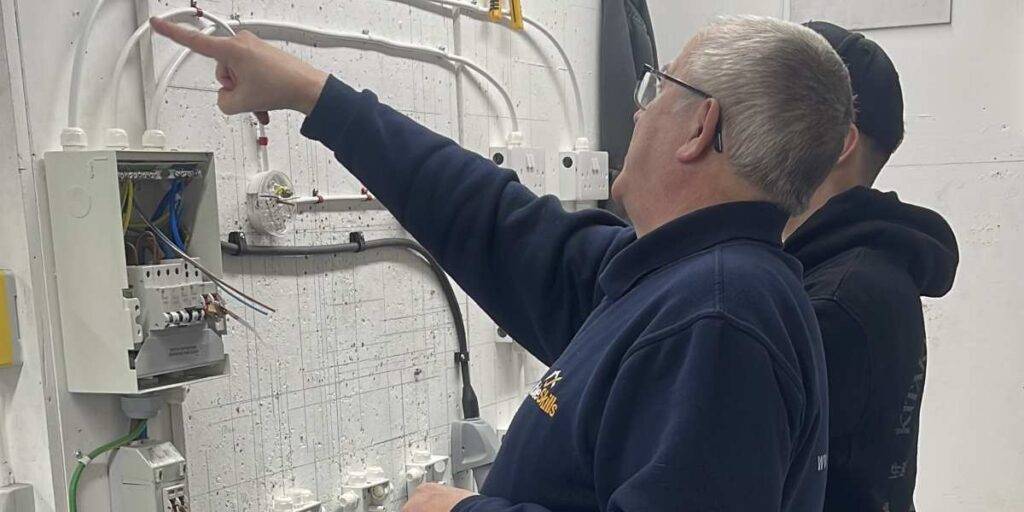
Electrical testing being carried out by Bolt Electrical

When to have your electrics tested

Testing isn't just about fixing problems. It's about knowing your installation is safe and fit for the demands you're putting on it. Some situations make it essential, others just sensible.

  • Buying a home

    Your surveyor might spot old wiring or a tired-looking board. A full Electrical Installation Condition Report tells you if that installation is safe to live with or needs attention.

  • Letting a property

    If you're a landlord in England, Scotland or Wales, periodic testing is a legal requirement. We carry out tests at the intervals the standard demands.

  • Installing a new appliance

    A new kitchen, bathroom or electric heating system puts extra load on the board. Testing beforehand confirms the existing circuits and earthing can handle it.

  • After alterations or repairs

    If you've had work done and want confirmation that nothing else was disturbed, or if you spotted a fault and want to know its cause, testing gives you proof.

  • Routine safety check

    Even if nothing is obviously wrong, most homes benefit from periodic testing. Corrosion, loose connections and earthing problems don't always show on the outside.

  • Moving into an older property

    Houses built before the 1980s often have rubber or fabric-covered cable and old earthing arrangements. Testing shows whether the installation is degraded.

What electrical testing includes

  • Visual inspection of the consumer unit, cables, sockets and switches
  • Continuity testing of earth and neutral connections
  • Insulation resistance testing of all circuits
  • RCD and RCBO protection testing
  • Earth fault loop impedance checks
  • Polarity testing at consumer unit and sample outlets
  • Earthing and bonding arrangements checked
  • A full report with clear recommendations and remedial actions flagged
Electrical testing report and equipment

Types of testing we carry out

The right test depends on what you need to know. We'll recommend the right one for your property and situation.

Electrical Installation Condition Report (EICR)

A thorough inspection and test of the entire installation, used when buying, selling or letting. All circuits are tested, the board is examined, and you get a written report with any defects graded by risk.

Covers: every circuit, consumer unit, earthing, bonding, RCD operation and cable condition.

Landlord's Periodic Test

Required by law if you let a property. The test follows the same procedure as an EICR but on a set interval — typically every five years for a residential tenancy, or every year for high-risk properties.

Covers: full installation condition and safety for occupiers.

Post-work testing and certification

After alterations or new circuits, we test the new work and confirm it meets the standard. This includes Minor Works Certificates for small jobs and full Electrical Installation Certificates for larger work.

Covers: new circuits, modified circuits and any areas affected by the work.

Fault investigation and testing

If you've had a tripped RCD, buzzing socket or burning smell, testing can identify the problem circuit and help us plan a repair or replacement safely.

Covers: pinpointing earthing faults, insulation breakdown and leakage currents.

Appliance connection testing

Before connecting a major new appliance like a shower or cooker, we test to confirm the existing earthing and bonding can handle the extra load and that protection is adequate.

Covers: existing circuits, earthing arrangements and circuit protection.

Periodic maintenance testing

A routine check of your installation every 10 years or as recommended. This keeps you ahead of problems and helps you sell or let with confidence later.

Covers: full condition report and trend tracking over time.

How electrical testing is carried out

Testing is methodical and non-invasive. We use instruments and expert judgment to give you a true picture of the installation's condition.

  1. 01

    Visual inspection

    We examine the consumer unit, circuit protection, cable routes, sockets, switches and accessory condition. Signs of burning, corrosion, loose connections or degraded cable show up here.

  2. 02

    Earthing and bonding checks

    We test earth continuity at the main unit and throughout circuits, and check that metal pipework, gas pipes and structural elements are properly bonded for safety.

  3. 03

    Circuit testing

    Each circuit is tested for insulation resistance, polarity and earth fault loop impedance using calibrated test equipment. These tests reveal leakage, reverse polarity and earthing problems.

  4. 04

    RCD and RCBO testing

    We press the test button and use a test instrument to confirm protective devices trip within the time the standard demands. Slow or non-tripping devices are flagged.

  5. 05

    Report and recommendations

    Results are recorded and any defects graded Code 1 (danger), Code 2 (potentially dangerous) or Code 3 (improvement recommended). We explain findings and what action to take.

The standards electrical testing must meet

Testing isn't just a checklist—it's governed by regulation. Here's what that means for the work we do and the report you receive.

Testing standard

BS 7671 and BS 7909

The UK wiring regulations set out how testing is carried out. We use the methods and pass/fail criteria defined in BS 7671, ensuring tests are consistent and reliable.

Inspection code

BS 7909:2011

This standard defines what an EICR must cover and how defects are graded. Code 1 means danger—you shouldn't live with it. Code 2 means it needs prompt attention. Code 3 is an improvement suggestion.

Landlord requirement

EICR every 5 years

In England, Scotland and Wales, landlords must have an EICR carried out within 12 months of a tenant moving in, then every 5 years, or annually if the property is high-risk. We certify each test to meet your legal duty.

What affects the cost of testing

The price depends on the size and complexity of the installation. These factors move the quote up or down:

  • Number of circuits and consumer unit type
  • How many sockets, switches and light fittings to sample
  • Whether the installation is easy or difficult to access
  • Age and condition of the wiring and board
  • Whether remedial work is needed after testing

After testing is complete

You'll have a written report and a clear next step. Some things worth knowing:

  • Keep the report with your house documents—it's valuable if you later sell, let or modify the installation
  • Code 1 defects should be fixed before continued use of that circuit
  • Code 2 issues need a plan. We can often carry out remedial work immediately or give you a quote to return and fix it
  • Code 3 recommendations improve safety or efficiency but aren't urgent
  • Landlords should keep records of every test for inspection by local authority enforcement officers

Questions about electrical testing

Answers to the things homeowners and landlords ask most. If yours isn't covered, call and we'll explain.

How long does an electrical test take?

A typical EICR takes 2–4 hours depending on the size and complexity of the installation. We'll give you a time estimate when we call to book. Some older or more complicated properties take longer, and we'll let you know in advance.

Do you have to turn the power off during testing?

No. Most of the test is carried out with power on, using test instruments. We may switch individual circuits off to test them safely, but the main power stays live. We'll work around your day and let you know the plan in advance.

What if the test finds problems?

The report grades every defect by risk: Code 1 (danger), Code 2 (needs prompt attention) or Code 3 (improvement recommended). We'll explain what each one means and what your options are. For Code 1 and many Code 2 issues, we can often fix them the same day or return with a quote.

How often should I have my electrics tested?

For a family home, every 10 years is a good benchmark. If you're a landlord, the law requires testing every 5 years. If you notice problems—buzzing, tripping, burning smells—test sooner rather than later.

Is electrical testing a legal requirement?

For homeowners, it's not a legal requirement, but it's highly recommended if you're buying, have an old installation or worry about safety. For landlords in England, Scotland and Wales, an EICR within 12 months of a tenancy start and every 5 years after is a legal duty under the Electrical Safety Standards in the Private Rented Sector Regulations.

Will the test damage anything or leave marks?

No. Testing is non-invasive. We use test instruments and don't cut into cable or remove permanent fittings. Visual inspection may involve opening some inspection plates and looking inside the consumer unit, but that's it. Your walls, floors and decorations are untouched.

Know your electrics are safe. Get them tested.

Call us for a quote or to arrange a testing appointment. We'll explain the results in plain English and tell you exactly what comes next.

07123456789