Skip to content

Installations for homes and businesses

Electrical installations in Bristol and Bath

Bolt Electrical design, fit and test new electrics: consumer units, extra circuits, lighting and full or partial rewires. We turn up when we say, protect your floors and leave your home as tidy as we found it.

  • Tested and certified
  • Written quote
  • Floors and furniture protected
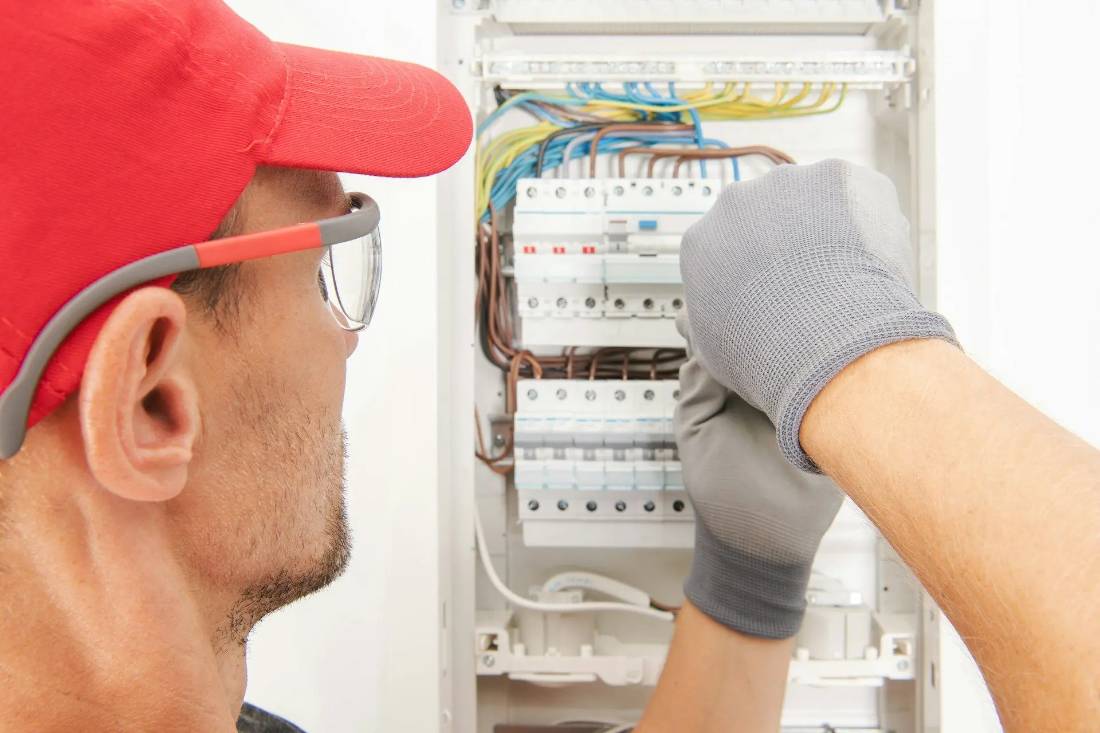
Electrician carrying out an electrical installation

Signs your wiring needs more than a quick fix

Most homes don't need everything replaced. But some symptoms point to an installation that has run out of capacity or reached the end of its life, and they are worth getting looked at before they become a call-out.

  • Old fuse board

    Rewirable fuses, a wooden backing board or no RCD protection mean the board is overdue for replacement.

  • Breakers that keep tripping

    A circuit that trips when you run the kettle and toaster together is overloaded or has a fault behind it.

  • Extension leads everywhere

    If you rely on adaptors and trailing leads, you need more sockets on properly rated circuits.

  • Warm, buzzing or scorched fittings

    Discoloured sockets, a burning smell or buzzing from a switch needs attention straight away. Switch the circuit off and call us.

  • Rubber or fabric-covered cable

    Original cabling in older properties perishes over time and can't carry modern loads safely.

  • Building work on the way

    Kitchens, extensions, loft conversions and new showers all need new or altered circuits, planned before the plaster goes on.

What an installation includes

  • A site visit and written quote before any work starts
  • Circuit design and load calculations
  • All cable, containment, accessories and protective devices
  • Floors, furniture and fittings protected with dust sheets
  • Labelled circuits at the consumer unit
  • Full testing of every circuit before handover
  • Electrical certificate for the work
  • A tidy site and a walk-through before we leave
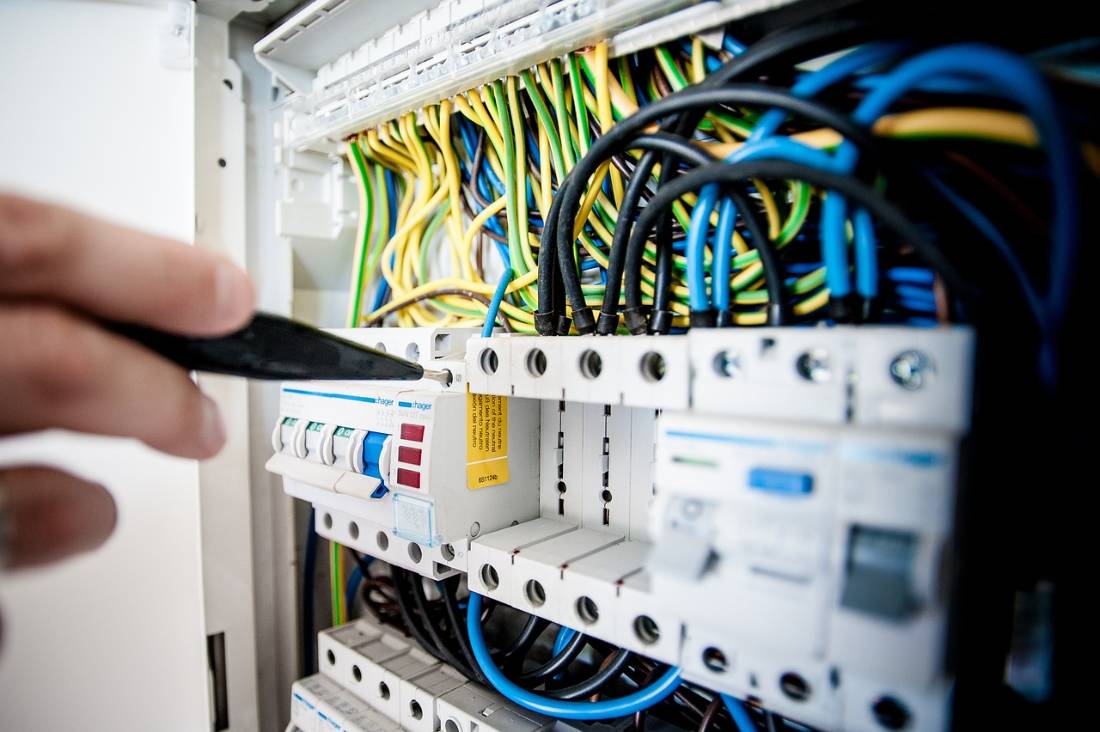
Neat electrical work completed by Bolt Electrical

Choose the right installation for your property

The right option depends on what you have now and what you want from it. We'll explain the choices in plain English and quote for the one that fits.

Consumer unit upgrades

Replacing an old fuse board with a modern unit that has RCD and surge protection where required. A split-load board is cheaper, while individual RCBOs mean one fault only trips one circuit.

Materials: metal-enclosed consumer unit, RCBOs or RCDs, new tails and earth bonding.

Extra sockets and new circuits

More sockets for a home office, a spur for a freezer or a ring final extended to a new room. We check the existing circuit can take the extra load first.

Materials: twin-and-earth cable, galvanised or plastic back boxes, quality faceplates.

Indoor lighting

Downlights, pendants, under-cabinet and feature lighting on dimmable or switched circuits. Fire-rated downlights keep ceilings compliant.

Materials: fire-rated LED fittings, 1.0mm or 1.5mm lighting cable, dimmer-compatible drivers.

Full and partial rewires

Old cabling replaced throughout, or room by room if you want to spread the work. Chasing and making good is planned with your decorating.

Materials: twin-and-earth and earth-sleeved cable, new accessories, new consumer unit.

Cookers, showers and fixed appliances

Dedicated circuits sized for the appliance, with the correct cable and protection for electric showers, hobs, ovens and similar loads.

Materials: heavy-duty cable (6mm or 10mm), double-pole isolators, cooker outlets.

Garages and outbuildings

A safe supply run to a garage, workshop or garden room, with its own protection and a socket and lighting layout that suits how you'll use it.

Materials: armoured cable, outbuilding consumer unit, weatherproof accessories.

How we carry out an installation, start to finish

Every job follows the same order, so there are no surprises on the day and no shortcuts when it comes to testing.

  1. 01

    Survey and written quote

    We look at the existing installation, talk through what you want and put the price in writing, split into clear items.

  2. 02

    Plan the circuits

    We work out loads, cable sizes and where each protective device sits. You agree socket and light positions before we cut anything.

  3. 03

    First fix

    We turn off the power, protect your floors and run cables, back boxes and containment. Where possible we use existing routes to keep disruption down.

  4. 04

    Second fix and connect

    Accessories, light fittings and the new consumer unit go in. Power is off for as short a time as possible and we tell you the plan in advance.

  5. 05

    Test, certify and tidy

    Every circuit is tested and signed off before we pack up. We walk you through the labelling, hand over the certificate and clear away all waste.

The rules your installation has to meet

Electrical work in a home is regulated. Here is what that means for you as the owner.

Wiring standard

BS 7671

The UK wiring regulations set out how circuits are designed, protected, installed and tested. Every installation we do is built to the current edition, including its requirement for metal consumer unit enclosures in homes.

Building Regulations

Part P

In England, new circuits, consumer unit replacements and work in bathrooms and other special locations are notifiable. We certify and notify that work, so you aren't left with a Building Control problem when you sell.

Paperwork

Certificates you keep

New circuits and rewires get an Electrical Installation Certificate. Smaller alterations get a Minor Works Certificate. Keep them with your house documents, because buyers' solicitors ask for them.

We are NICEIC registered, and every certificate reflects tests we have actually carried out.

What affects the cost

We don't guess prices over the phone. These are the things that move a quote up or down, and we go through each with you:

  • The number of circuits, sockets and light points
  • Access: solid walls, floored lofts and fitted kitchens take longer than open voids
  • The condition of the existing wiring and earthing
  • Which consumer unit you choose and how many protective devices it needs
  • Whether decorating and making good is included or handled by your own decorator

After the work is done

You'll get your certificate and a quick tour of the new circuits. A few things worth doing afterwards:

  • Press the test button on RCDs and RCBOs every few months
  • Keep the certificate somewhere safe, with the house paperwork
  • Have the installation inspected and tested periodically. For a home that's commonly every ten years, or sooner if you rent it out or notice problems
  • Call us if anything trips, buzzes or feels warm after the job

Questions homeowners ask before an installation

Straight answers on certificates, timings and disruption. If yours isn't here, ask when you call.

Will I get a certificate for the work?

Yes. New circuits, rewires and consumer unit changes come with an Electrical Installation Certificate. Smaller alterations get a Minor Works Certificate. Where the work is notifiable under Part P, it is also notified to Building Control. Keep the paperwork, because solicitors ask for it when you sell.

How long does a consumer unit upgrade take?

Most domestic consumer unit changes are done in a single day, including testing. The power is off for part of that day, not all of it. We agree the timing with you beforehand so you can plan around fridges, internet and anything that needs to stay on.

Will you need to lift floorboards or chase into walls?

Sometimes, but we always look for the least disruptive route first. That might mean using existing cable runs, going through lofts and voids, or surface-mounting in places where chasing isn't worth it. We show you the plan before we start and make good after.

I only want a few more sockets. Do I need a rewire?

No. Extra sockets are usually added as spurs or on an existing circuit, as long as it can take the load. We test the circuit first and tell you honestly if it is up to the job. A rewire is only recommended when the cabling itself is failing.

Can Bolt Electrical work while we live in the house?

Yes. Most installations are done with the family at home. We work room by room, protect floors and furniture, tell you in advance when the power will be off and clear up at the end of every day.

What decides the price of an installation?

The number of circuits and points, how easy the cables are to route, the condition of your existing wiring and the consumer unit you choose all make a difference. We visit, then give you a written quote so you know exactly what is included before you agree.

Planning electrical work? Talk to an electrician first.

Tell us what you're planning and we'll arrange a visit and give you a written quote.

07123456789